1970, phosphor
The first of the ten ways of seeing. A green tube is the only light in the room, the picture is drawn in glowing cells, and a block cursor waits in the pupil. Every other era was built to match what this one got right.
KIRUK/EYE ERA 1970 MEDIUM CRT-MONO LISTING 1 OF 10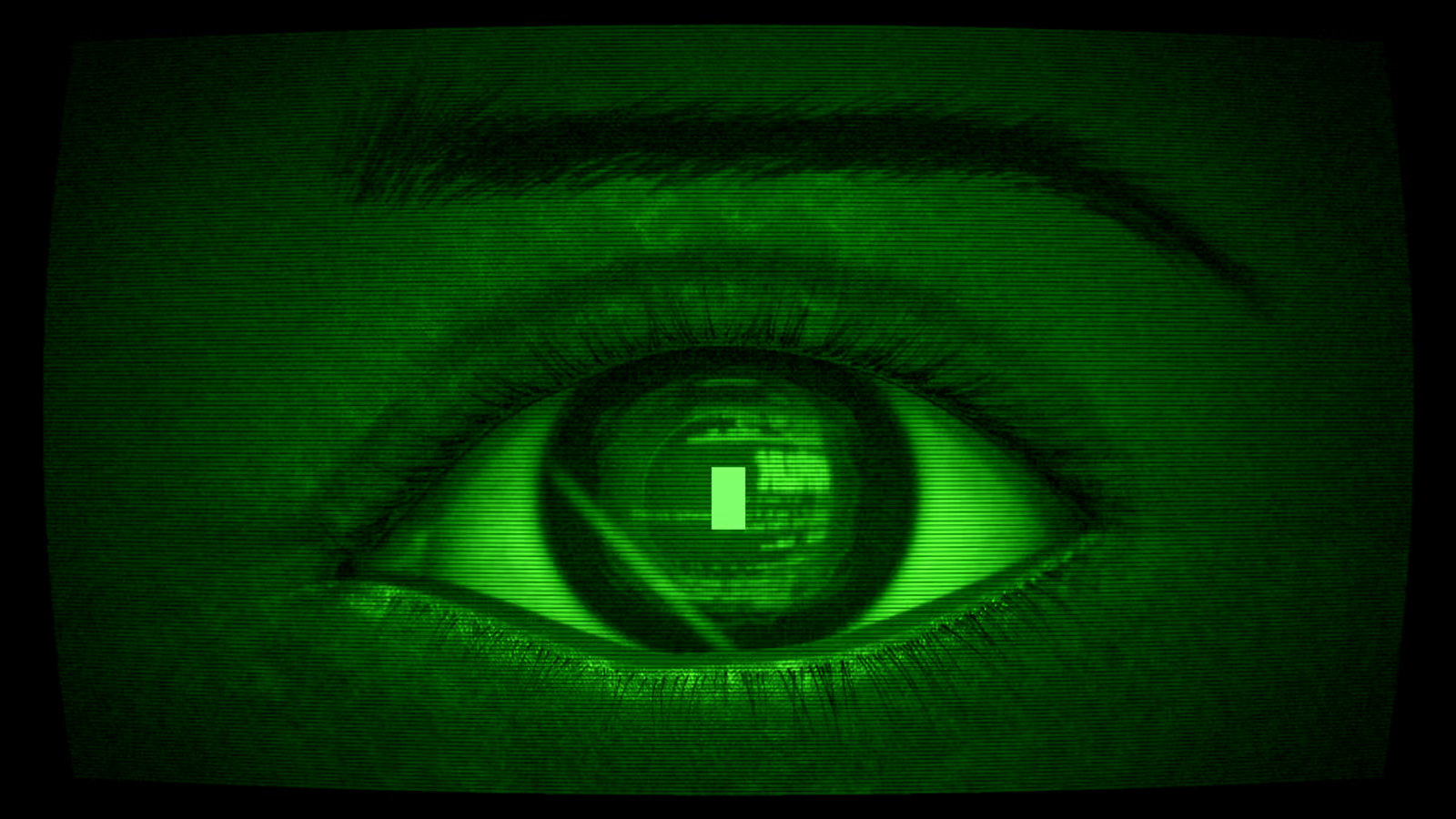
FIG 1. The loader's 1970 poster. The tube's glow is the only light on the face. The glass of the tube is the only edge in the whole set of ten: here the frame is the medium.
What you are looking at
You are the terminal. The person in front of you is reading your screen in a dark room, and you can see your own text in their eye.
1970 is the benchmark era. It worked before the others did, because four things agreed: the tube lights the face, the camera is tuned to that light, the tube's own picture fills the frame, and a cursor in the pupil says "type here". The rule for the nine eras after it was to give each one the same four.
- Device
- green-phosphor CRT, 4:3, 244 by 183 mm, 600 mm from the face
- Other light
- none
- Gaze
- reads five lines, about 750 ms a stop, a blink every 5.5 s
- Sign
- a block cursor in the pupil
- Leaves
- collapses like a tube losing power, 200 ms
- Arrives
- warms up, 420 ms
- Enter
- 400 ms, the pupil floods the screen with #000000
The light
Nothing in this picture is lit by anything except the page. The page is the light: the site's real 1970 home is captured and stood in front of the eye at the size of a real tube.
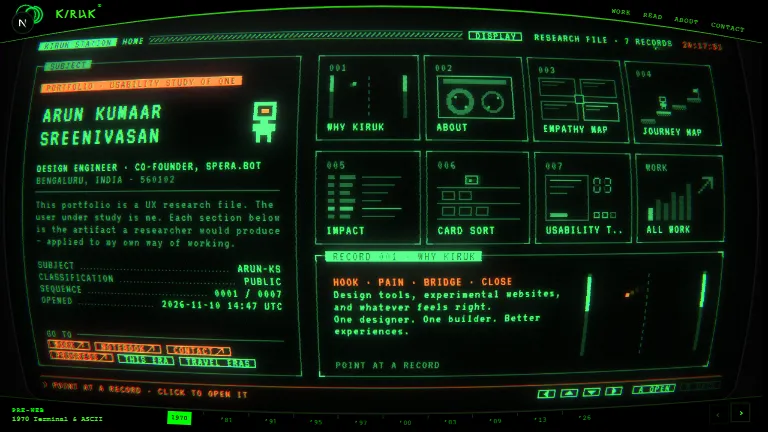
FIG 2. The page the eye is reading, as captured for the cornea. Change the home page, run the capture again, and the reflection changes with it.
The iris is not green. It is the same dark brown as in every era. Its fibres show only where the phosphor reaches them.
The medium
The finished frame is drawn once more, as a tube would draw it: cells of phosphor that glow, hold, and fade. Bright things leave a short trail when they move. That trail is the only idle effect the era is allowed.
The sign
A block cursor sits in the pupil and blinks. It is the one thing that moves at rest, and it is the invitation. On enter, the cursor holds lit while the pupil opens, the black of the pupil becomes the black of the terminal, and you land on the 1970 home at its prompt.
The fit
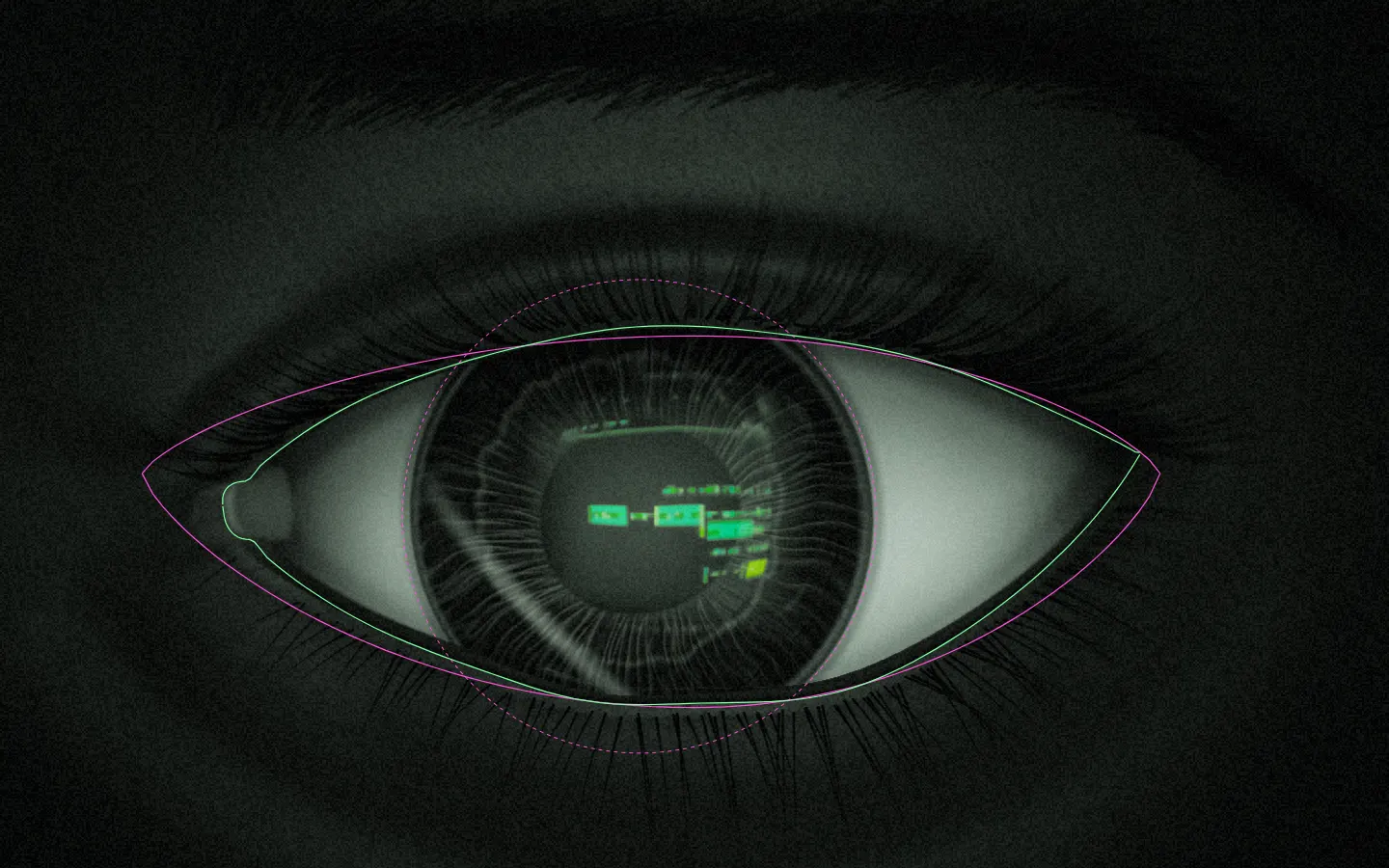
FIG 3. The alignment overlay. The thin curves are the lid edges as the CPU copy of the anatomy computes them, drawn over the render. If the curves and the picture disagree, the shader is wrong. This check runs in all ten eras, because it is one person in all ten.
What was thrown away
The first attempt to "fine-tune" 1970 redesigned it as ASCII characters. It was more 1970 and less of an eye.
it just misses so much detail… changed the entire vibe
That round is why the whole face stays visible in every era. The era is a lens on the detail. It is never a replacement for it.